heritage moulding Styles
A world of architectural styles
From Colonial elegance to Contemporary minimalism, our profiles represent centuries of architectural heritage. Designed and inspired by leading Australian and international architects, our mouldings honour the defining features of each style, preserving the artistry of the past while supporting the creativity of the present.
Pre-Roman to Present
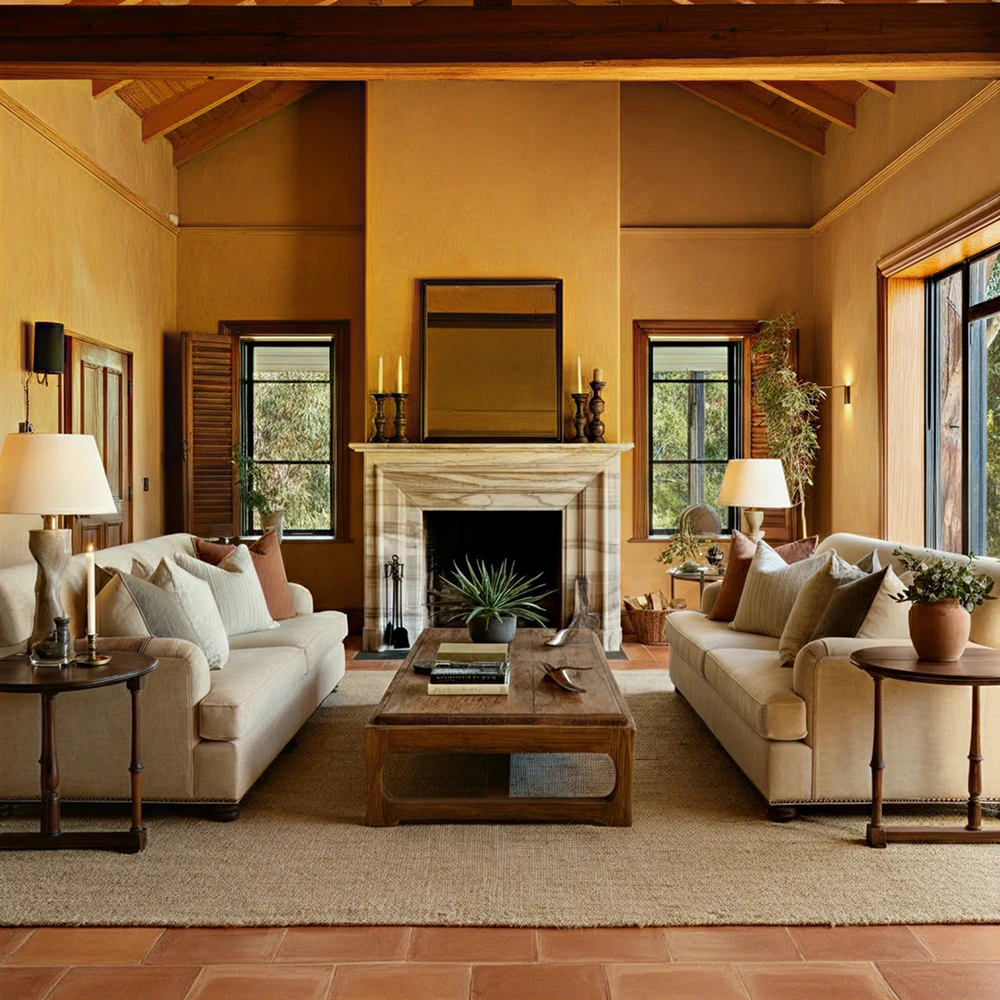
Tuscan
Rooted in the rustic elegance of northern Italy, the Tuscan style uses earthy materials like sandstone and marble. Mouldings mirror Georgian simplicity, straight, solid, and understated.
Roman to Present
Classical
A timeless style defined by symmetry and proportion. Classical mouldings are restrained and refined, minimal ornamentation serving maximum effect.
Mid 1600’s
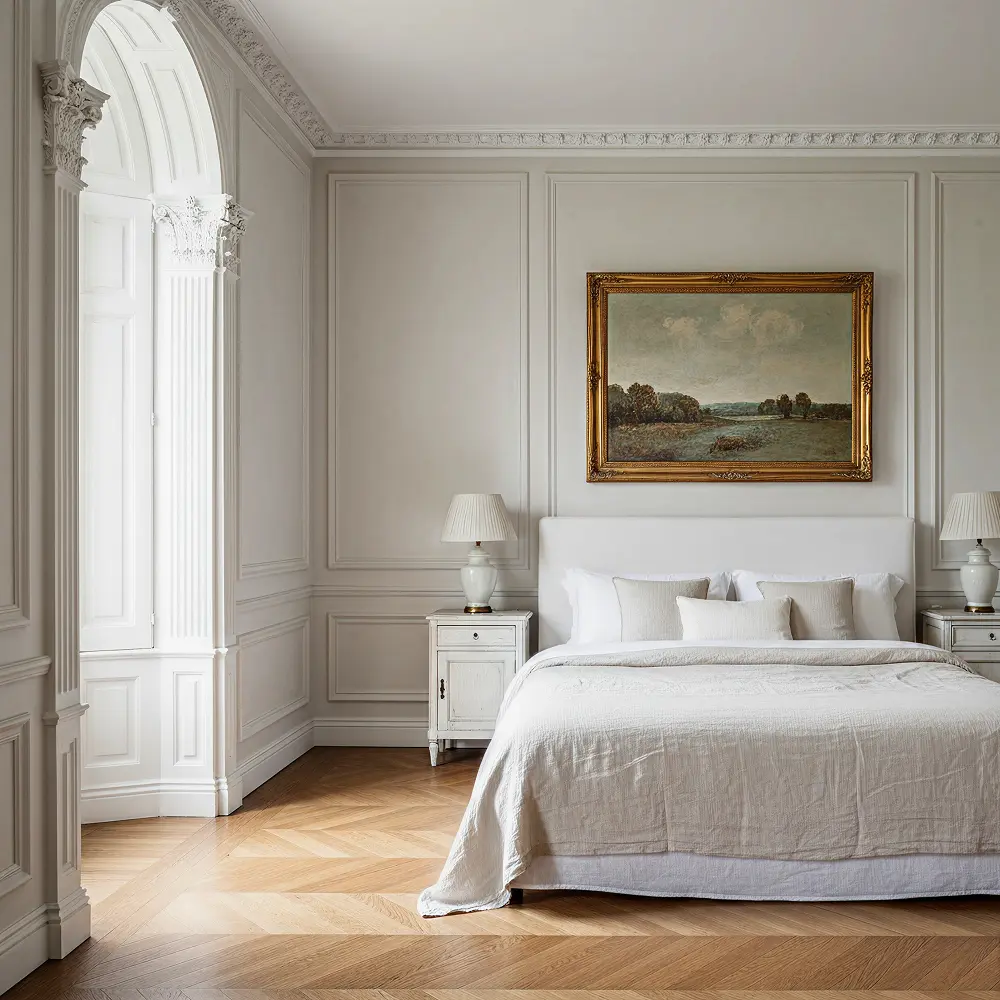
French Provincial
Elegant and balanced, this formal style emerged in rural France under Louis XIV. Hallmarks include steep roofs, shuttered French doors, and arched openings. Mouldings are distinguished by their soft, voluptuous curves.
1826 – 1860’s
Georgian
Drawing from classical ideals, Georgian architecture prioritised symmetry, fine detail, and formal entrances. Flat surfaces and straight lines characterised the mouldings, evoking structure, order, and grace.

1836 – 1870
Colonial & Early Victorian
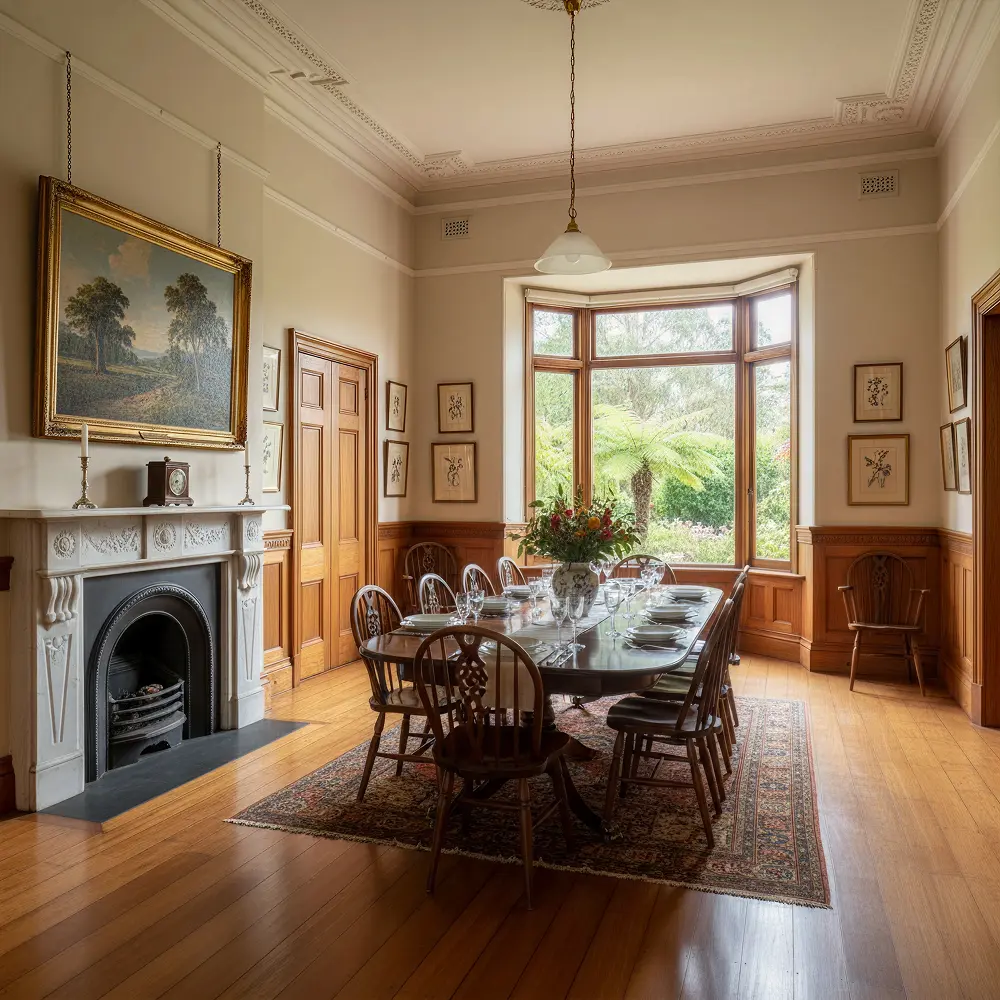
Defined by symmetry and simplicity, Colonial homes featured central entrances, flanking windows, and wide, wrap-around verandahs. Inspired by Georgian and Classical influences, this style expresses dignity and restraint. Mouldings were minimal with straight lines, small-scale detail, and functional elegance.
1840’s – 1901
Victorian
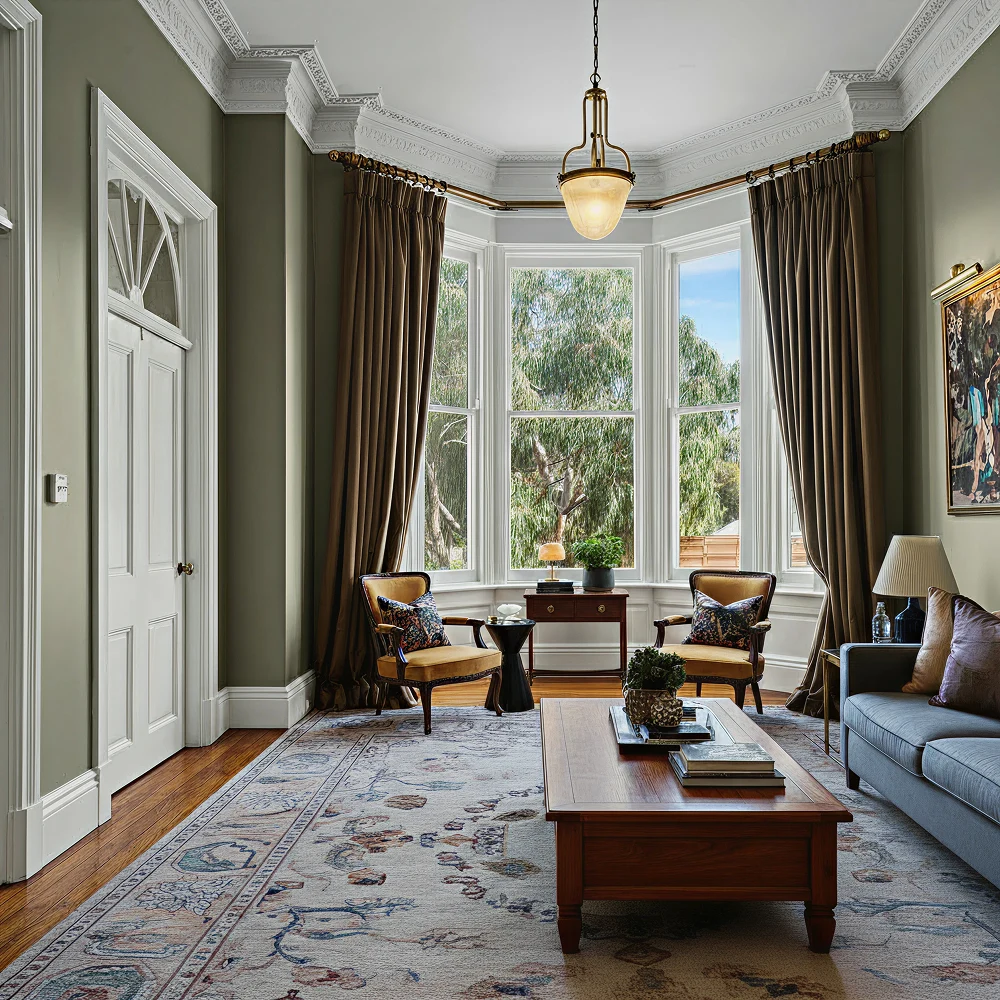
Elaborate and richly detailed, Victorian architecture flourished under Queen Victoria’s reign. Grand residences expressed affluence through ornate trims and generous proportions. Common features included door blocks and 2- or 3-piece skirtings. Styles ranged from Gothic for churches to Georgian and Regency for civic buildings, all reflecting a prosperous era of design.

1890’s – 1914
Art Nouveau
This expressive style rejected industrial uniformity, turning to nature for inspiration. Curving, organic forms dominated façades and interiors alike. Mouldings flowed with fluid, stylised motifs—celebrating craftsmanship over mass production.
1890’s – 1915
Federation
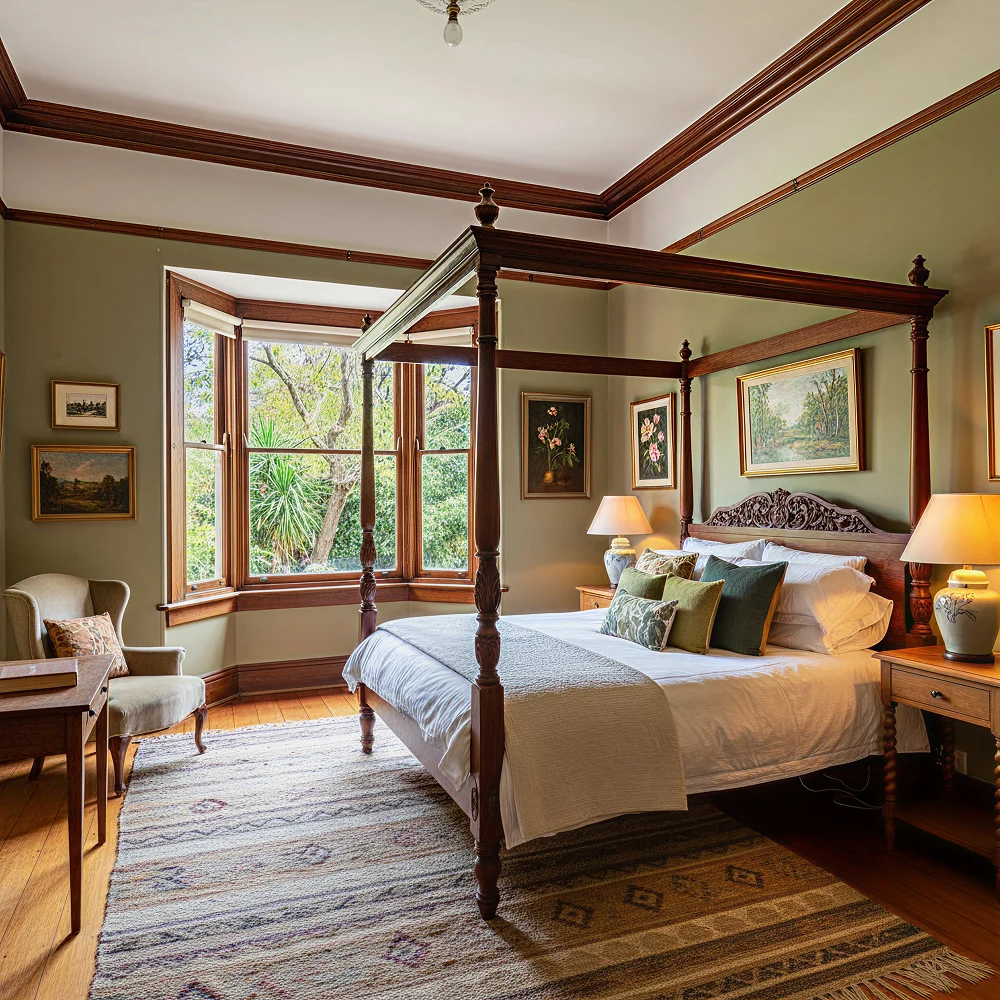
A uniquely Australian era influenced by Queen Anne, Arts and Crafts, and Gothic Revival. Richly detailed, Federation mouldings feature ornate profiles and classical motifs. Popular in both public and residential buildings, this style celebrated cultural pride and craftsmanship.

1901 – 1910
Edwardian
Moving away from Victorian excess, Edwardian architecture balanced ornamentation with emerging simplicity. Mouldings featured flatter details, and profiles like lambstongue gained popularity. Each building often had custom-designed trims, resulting in wide stylistic variety.
1916 – 1940s
Californian Bungalow & Interwar
Post-WWI homes embraced function and simplicity. Influenced by American design, Californian Bungalows featured asymmetrical façades and minimal ornamentation. Skirtings and architraves became simpler, often with lambstongue profiles.

1920’s - present
Modern
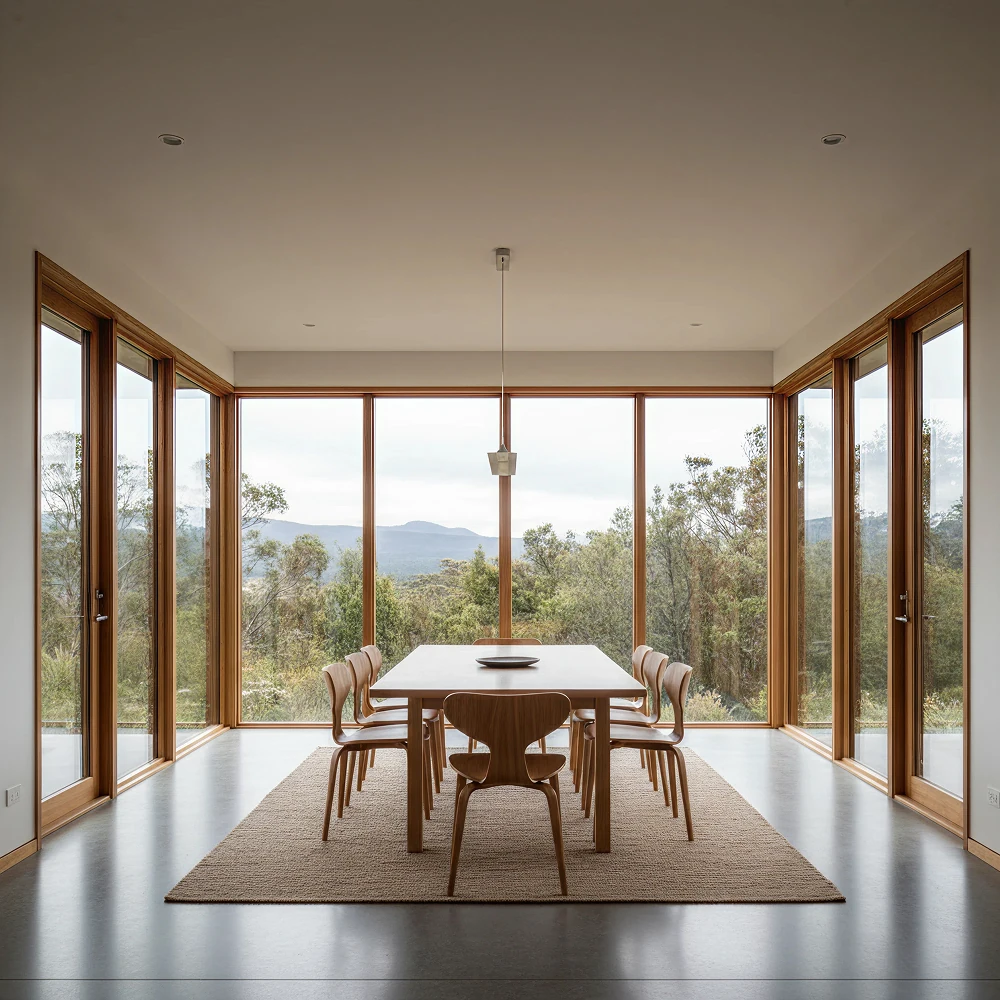
A radical break from tradition, Modern architecture favours form over flourish. Clean lines, open spaces, and raw materials define this style. Mouldings are minimal, with functionality at the forefront.
1920s – 1950s, revived 2000s – present
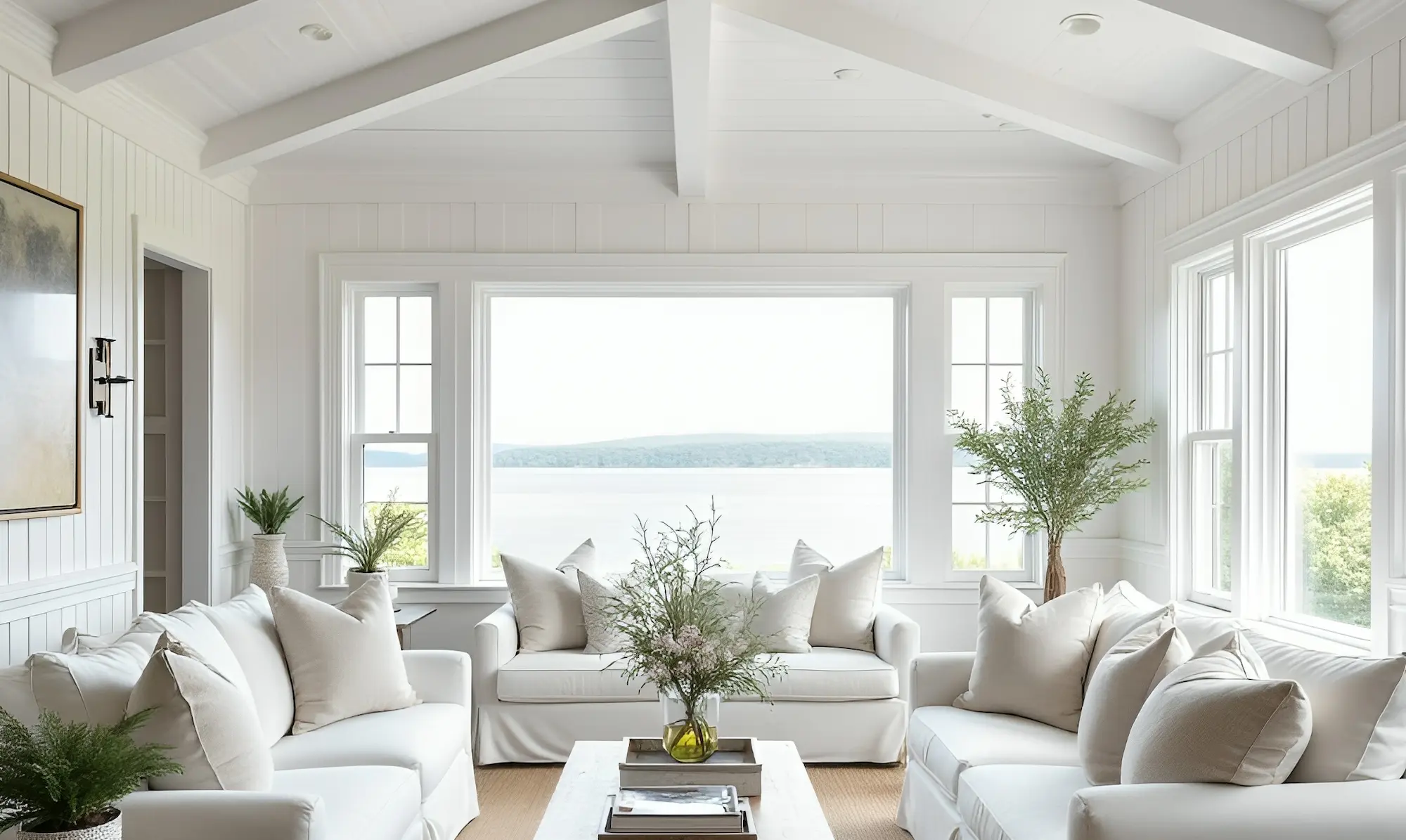
Hamptons & Cape Cod
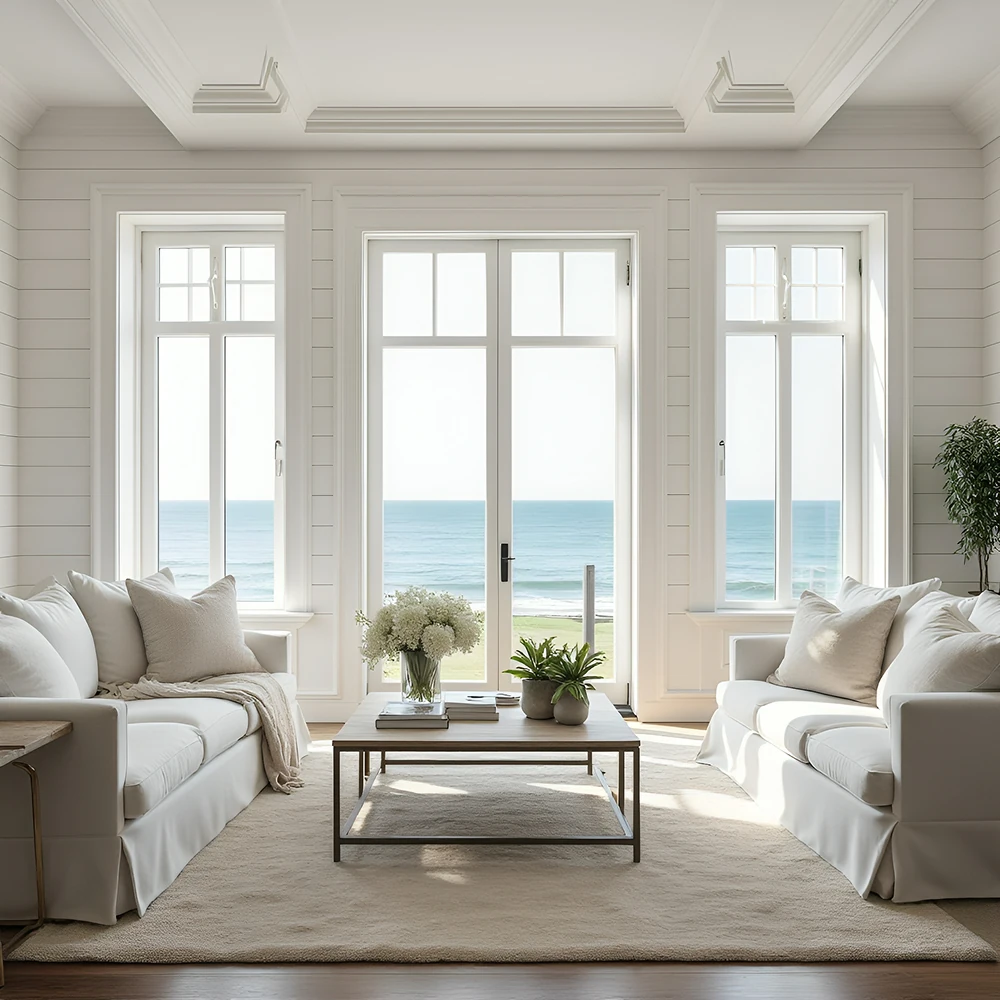
Originating in New England’s coastal towns, this relaxed yet elegant style combines classic symmetry with coastal charm. Hallmarks include pitched roofs, weatherboard cladding, and white timber mouldings. The interiors embrace light, space, and a timeless palette. Skirtings and architraves are typically bold, but clean-lined, bringing softness and structure without excess ornament.

1930’s - 1940’s
Art Deco
Dramatic and geometric, Art Deco combines Cubist zigzags with ancient Egyptian influences. Interiors feature stepped profiles, sunburst motifs, and symmetrical elegance. Mouldings often mirror machine-age precision with bold, linear forms.
1950’s - Present
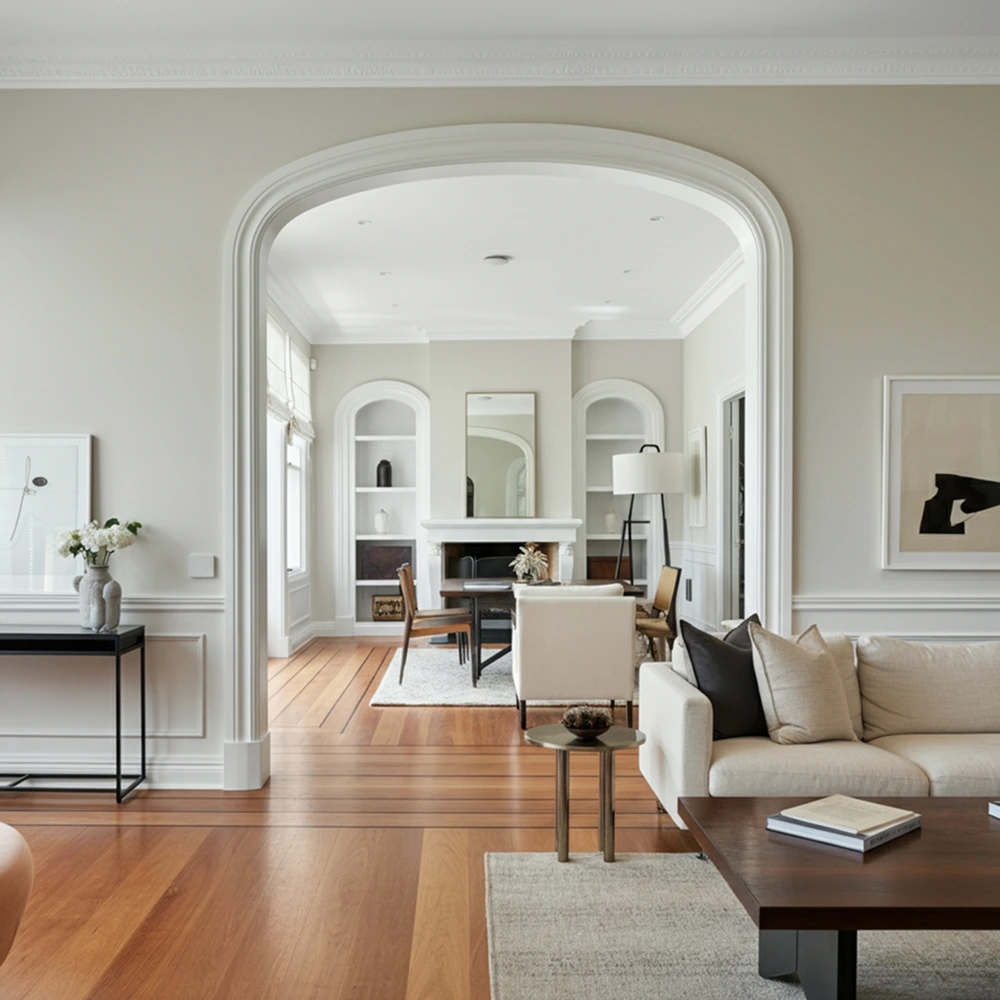
Contemporary
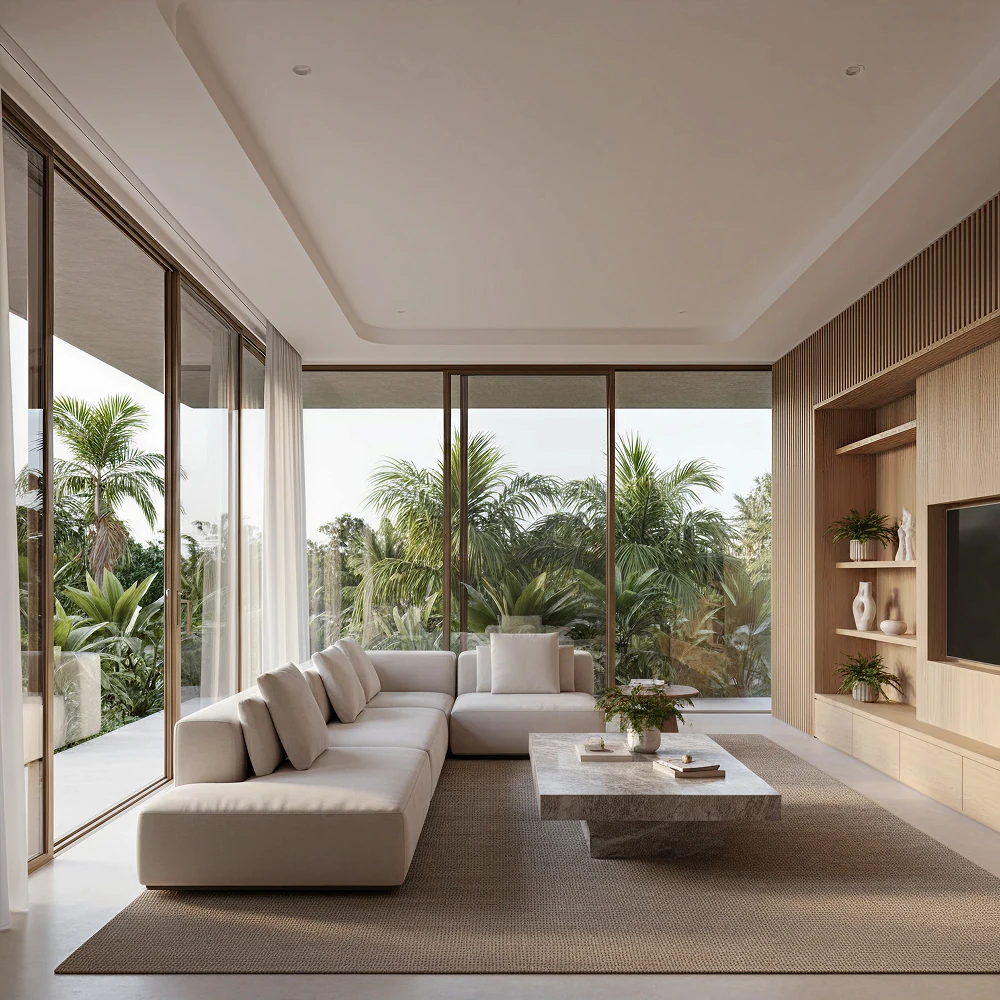
Reflecting the spirit of now, Contemporary architecture values clarity and simplicity. Free from historical reference, this style uses clean angles and open sightlines. Mouldings serve subtle architectural emphasis, not embellishment.
Feeling inspired?
Looking to recreate a particular style? Get in touch with one of our experts to bring your vision to life.